Marine Mammal Conservation Whales Dolphins
 |
1-12 Week(s) |
 |
Sodwana Bay, South Africa |
 |
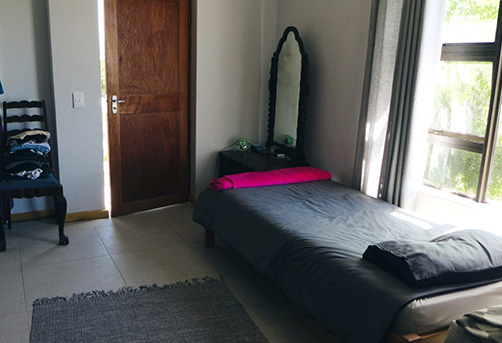
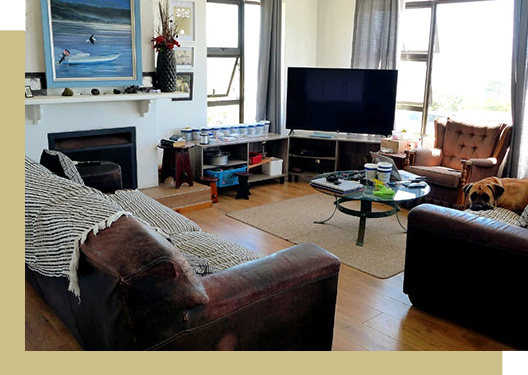
Fully Furnished Accommodation |
Marine Mammal Conservation Whales Dolphins

Program Overview
Marine Mammal Conservation Whales Dolphins
What is the goal of the project?
What will I be doing?
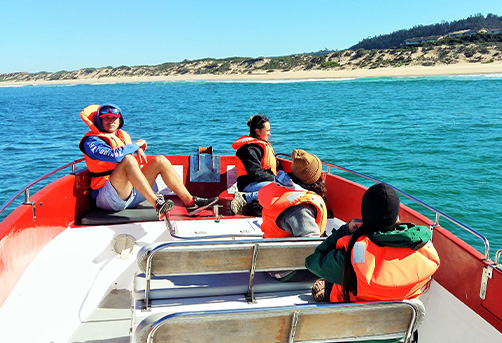
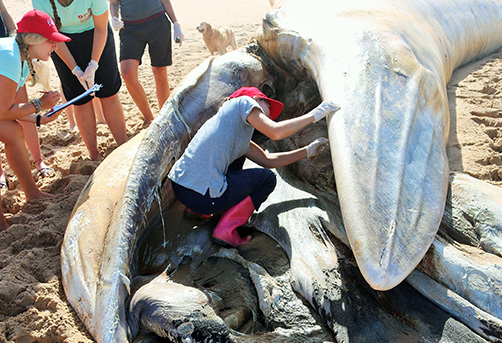
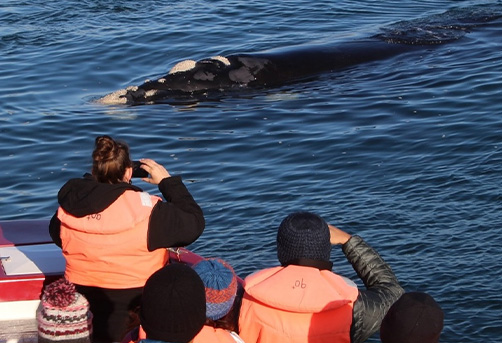
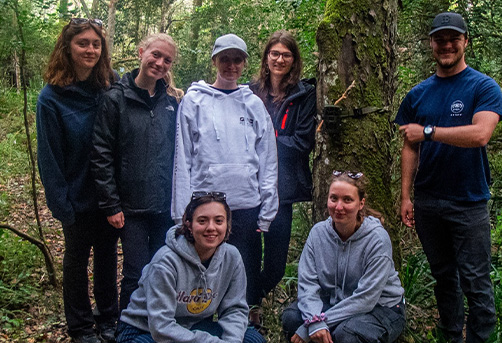
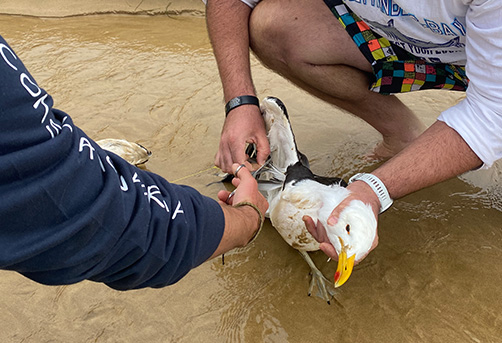
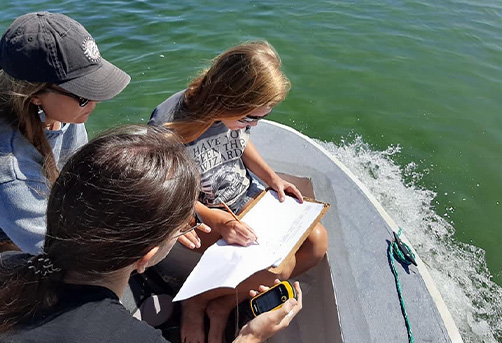
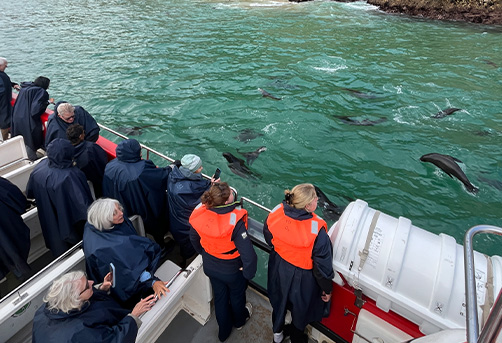
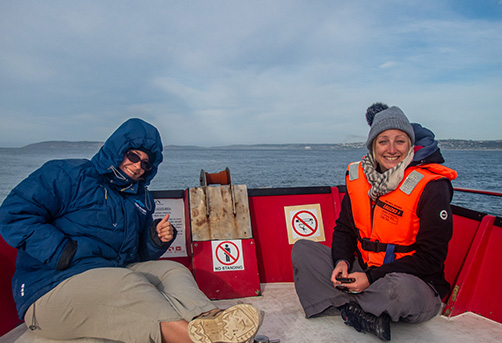
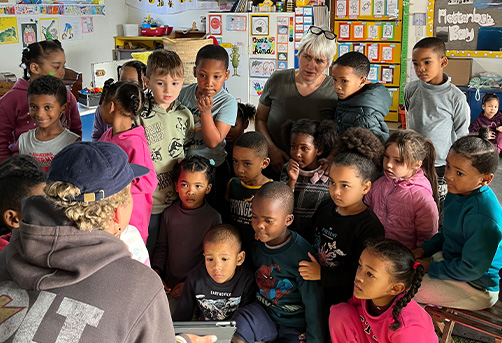
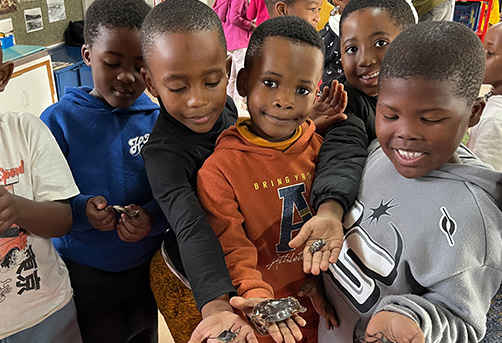
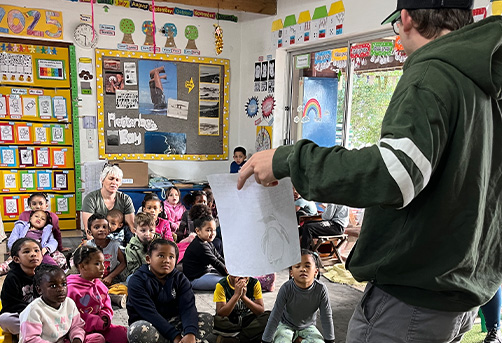
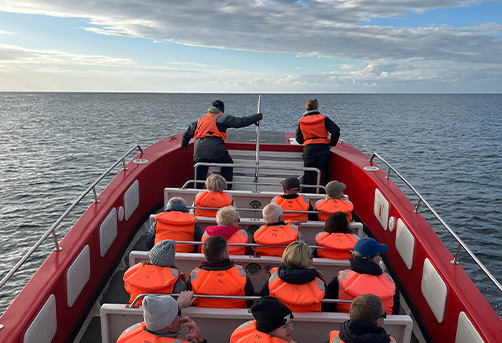
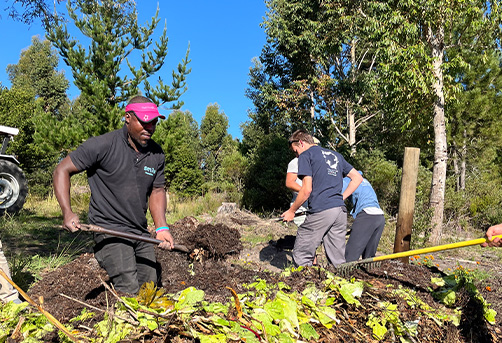
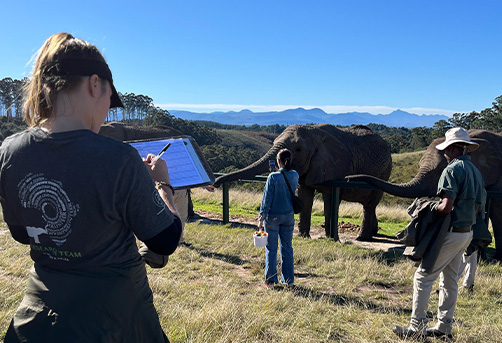
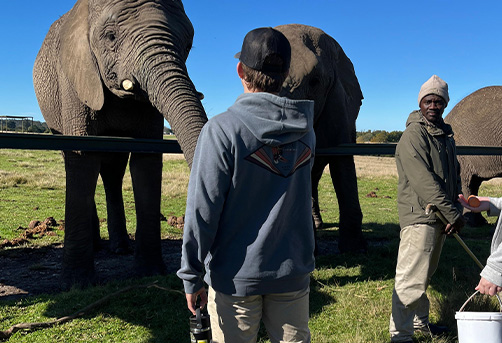
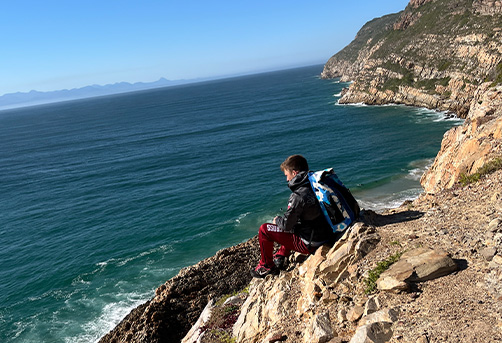
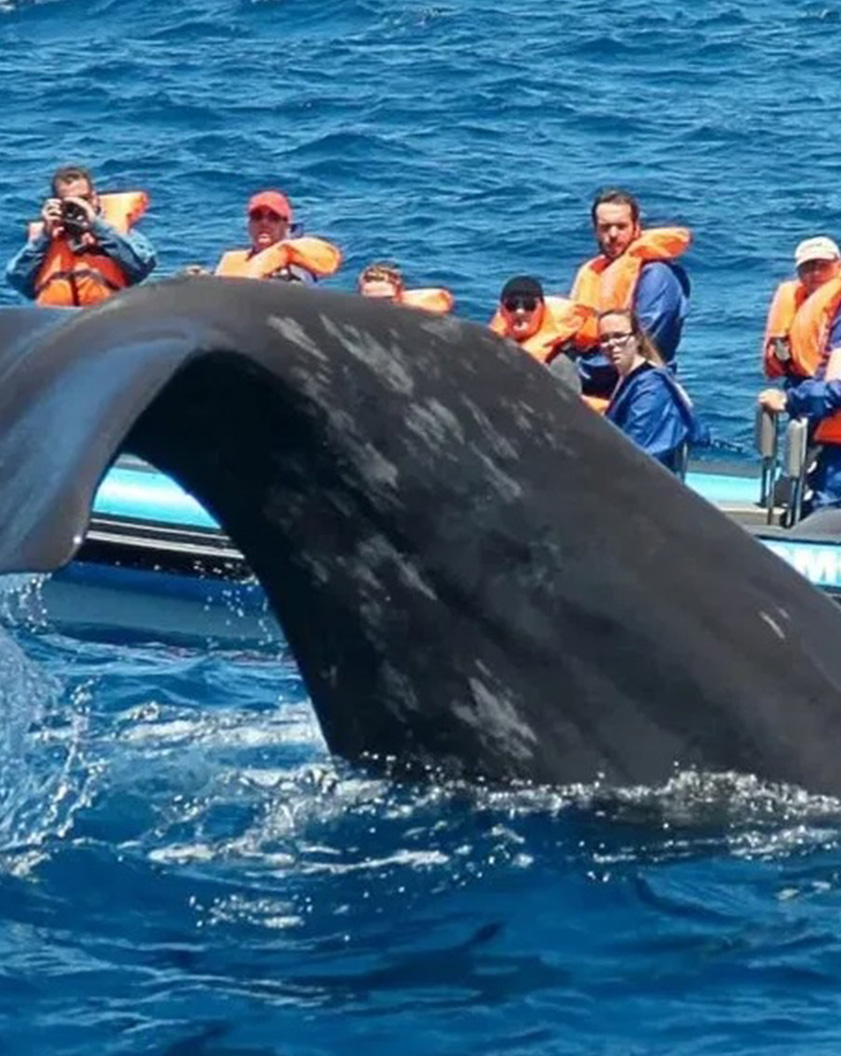
This is a hands-on experiential internship. As an intern, you’ll actively participate in research, conservation and education activities. These will be both boat-based and land-based activities that involve hiking, snorkeling, observation from boats, responding to strandings, and visiting local schools. You’ll gain valuable experience collecting data using a variety of field research methods during these activities that will then be entered into the database. You will meet a network of people involved in marine conservation and research in South Africa and beyond.
A typical week may include:
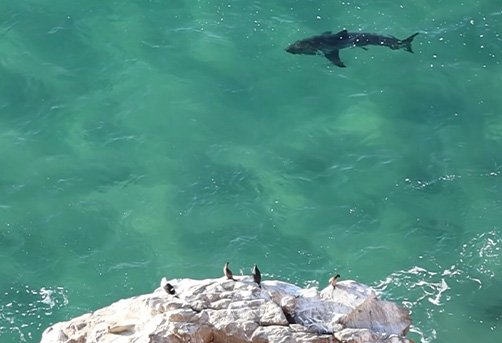
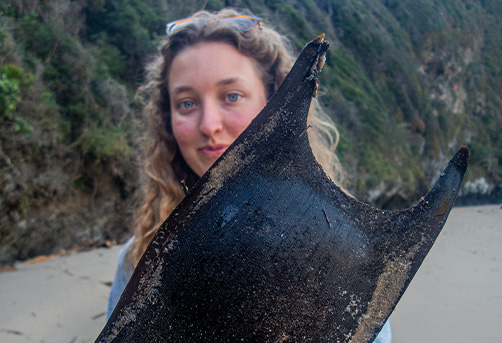
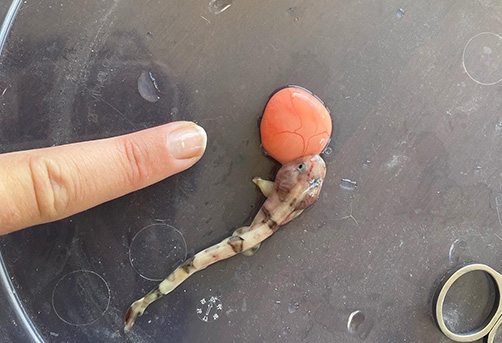
- beach surveys which include tracking shark egg cases and cataloguing marine megafauna, dolphin and whale watching from boats, data counts, river surveys, snorkel trips, data entry, animal surveys from peninsula to track sharks, seabirds, and marine mammals, beach clean ups, responding to marine mammal strandings or mortality events, and community outreach
- as with all field work, weather and local conditions play a role in the schedule and can lead to last minute changes in the planned activities
Program Videos
What will I learn?
Previous interns often tell us that the biggest impact of these internship programs are the increase in self-confidence, the ability to get out of your comfort zone, the cultural learning, and the friendships made.
Below, are the research methods and focus areas that are currently being focused on at the research station.
Research Methods:
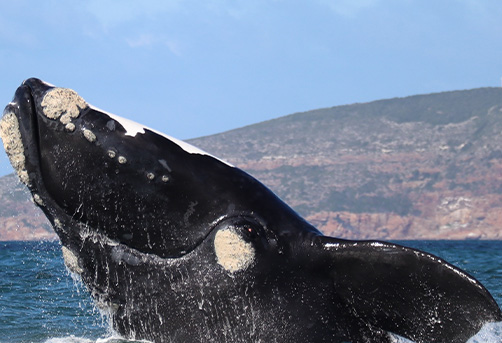
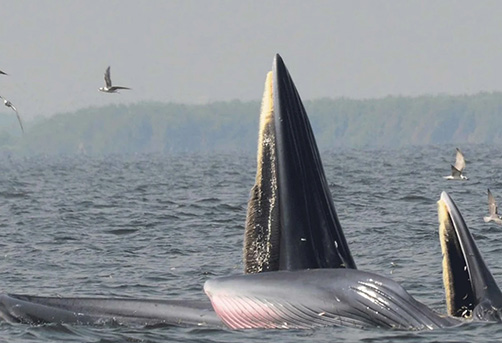
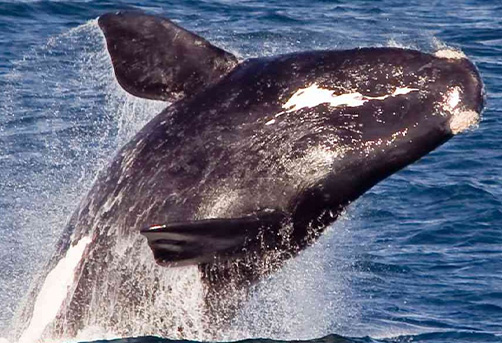
- Species identification: Learn to identify species of whales, dolphins, seals, sharks, turtles, rays and seabirds, distinguishing between males and female or adults and juveniles
- Scientific Photography: Taking photos of dolphins and whale fins for individual analysis and tracking
- Camera System Deployment: assist in deploying a camera system known as Baited Remote Underwater Video Systems (BRUVs)
- Video Footage Screening: Code videos for the presence of sharks and rays
Research Areas:
- Establish the population dynamics, biodiversity and community structure of the elasmobranch (sharks and rays) population
- Determine the distribution and movement of marine animals and monitor their population size
- Investigate human-wildlife interactions and the impact of tourism vessels and shore anglers in a marine protected area
- Assess essential water quality parameters such as salinity and water temperature to gain insights into the estuary ecosystem of the Keurbooms river
- Delineate breeding ground for juvenile organisms to help support conservation efforts
- Developing methods to increase the education of local students about the marine environment in Plettenberg Bay, with specific emphasis on water safety, sharks, and marine mammals
What previous experience or skills do I need?
Interns need to show enthusiasm, positivity, maturity, and independence, adaptability, and willingness to work in a team
Where will I be?
How does housing and food work?
What’s included?
All the meals, housing, research, educational, and cultural activities are included. Wifi, laundry, pre-departure support, a Field Study Abroad t-shirt, logistic support at the Johannesburg airport upon your arrival, and for your return flight home.
Not Included: International flight, Transfers, International Health and Travel Insurance, and Optional excursions.
How to Finance your internship
Pricing starts at $2,475 for 2 weeks.
Most universities have a wide range of scholarships for study abroad. You can check with your university to see which scholarships they offer. You should visit your study abroad/global engagement office and your department. Your department may have travel funds available to assist with airfare or other program-related expenses.
Our Volunteers Love Us