Shark and Coral Reef Conservation
 |
2-12 Week(s) |
 |
Plettenberg Bay, South Africa |
 |
Fully Furnished Accommodation |
Shark and Coral Reef Conservation

Program Overview
Shark and Coral Reef Conservation
What is the goal of the project?
What will I be doing?
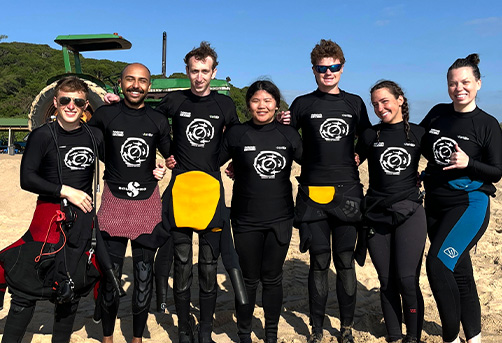
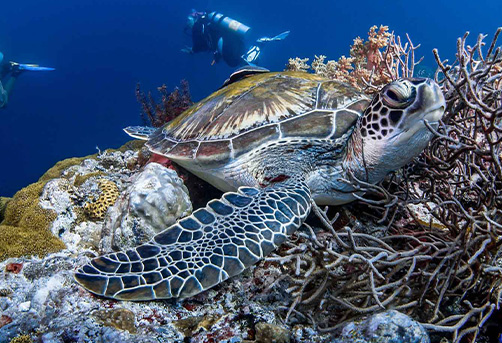
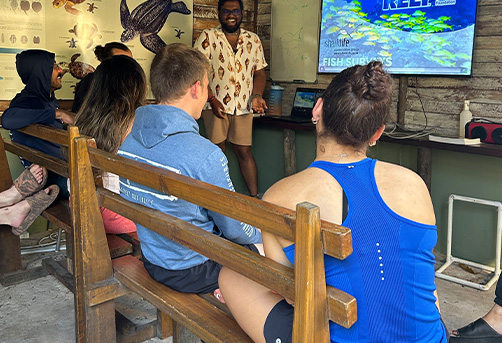
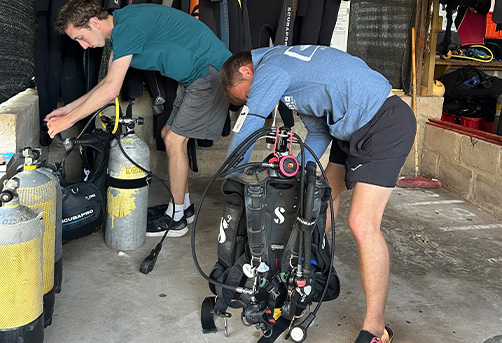
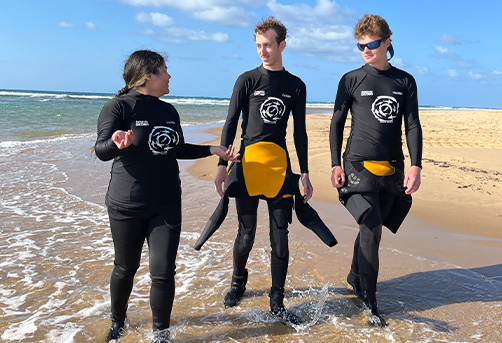
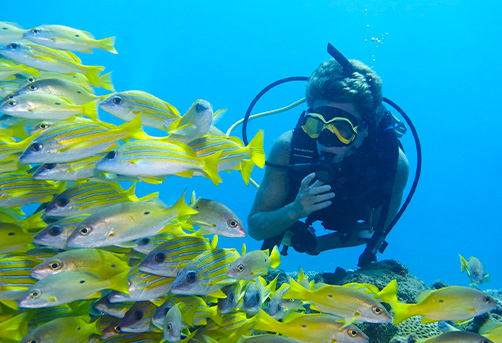
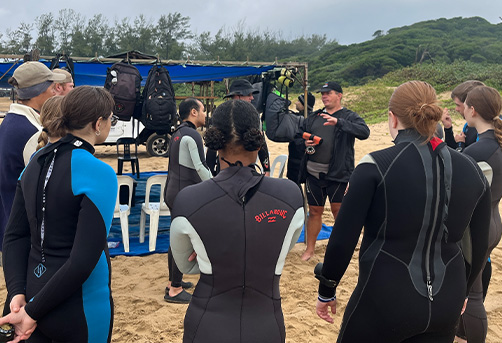
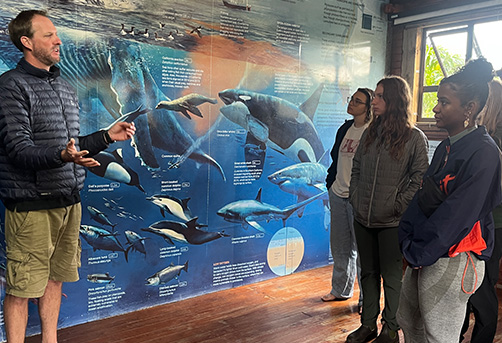
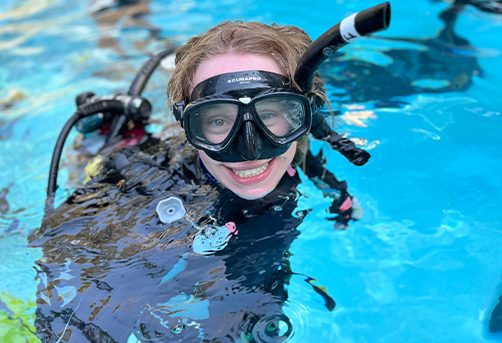
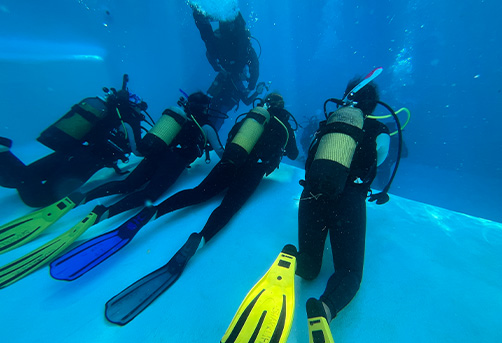
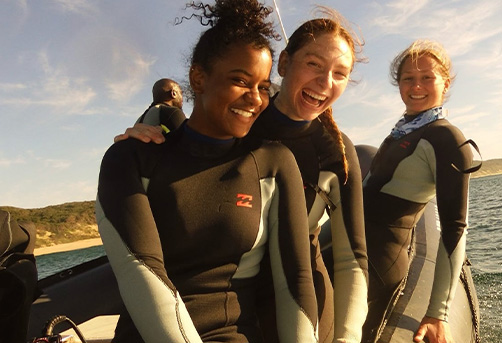
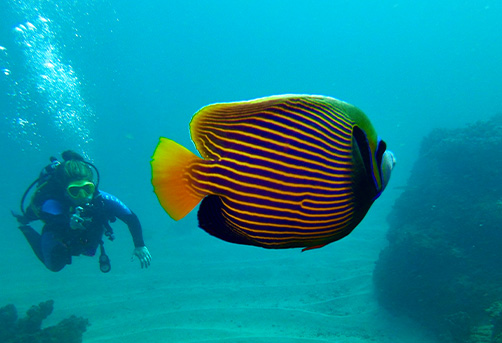
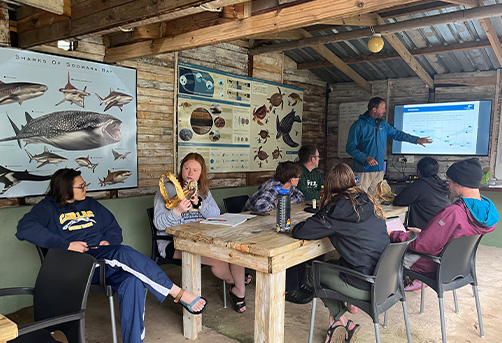
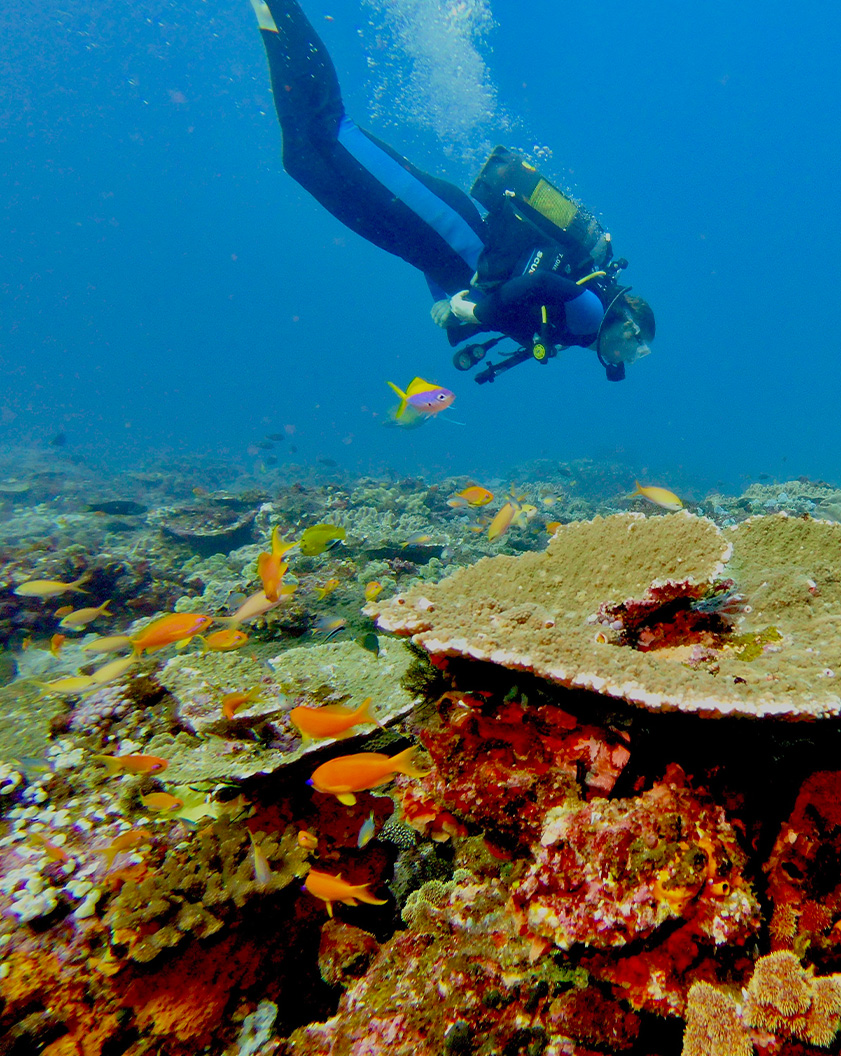
This is a hands-on experiential internship. As an intern, you’ll actively participate in research, conservation and education activities. This project involves scuba diving, snorkeling, and freediving and you can also earn your open water scuba certification during this internship. You will gain valuable experience collecting data using a variety of field research methods during these activities that will then be used for the research questions being answered at this research station. You will meet a network of people involved in marine conservation and research in South Africa and beyond.
A typical week may include:
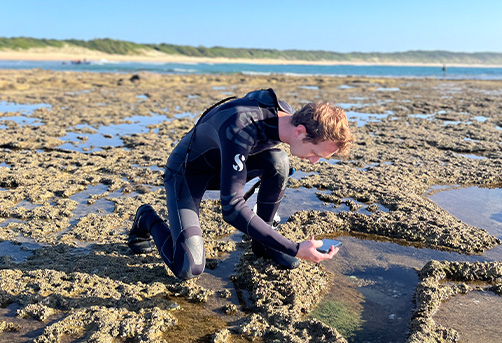
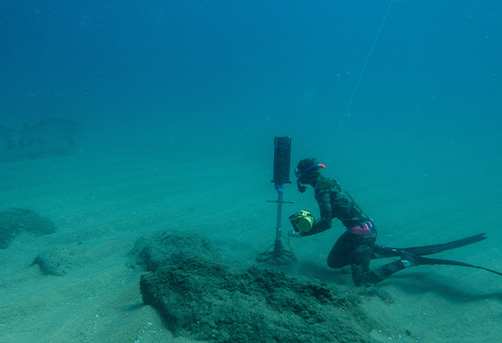
- performing underwater visual census surveys, processing underwater videos and photos, maintaining and deploying underwater cameras, monitoring coral cover and rocky intertidal indicators, learning fish and invertebrate identification, cataloguing marine megafauna, learning boat operation and maintenance, helping with beach clean-ups, and participating in community outreach events
- as with all field work, weather and local conditions play a role in the schedule and can lead to last-minute changes in the planned activities
Program Videos
What will I learn?
Previous interns often tell us that the biggest impact of these internship programs are the increase in self-confidence, the ability to get out of your comfort zone, the cultural learning, and the friendships made.
Below, are the research methods and research areas that are currently being focused on at the project.
Research Methods:
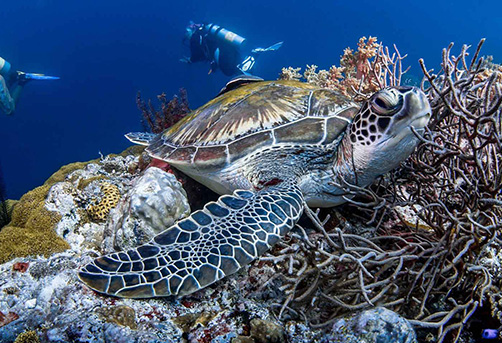
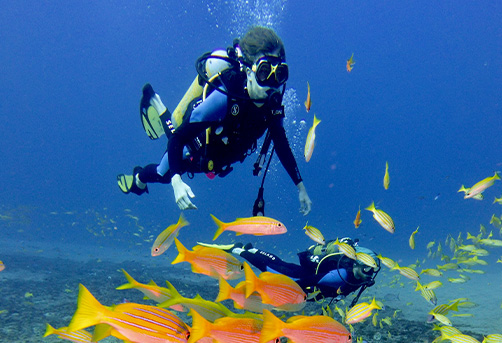
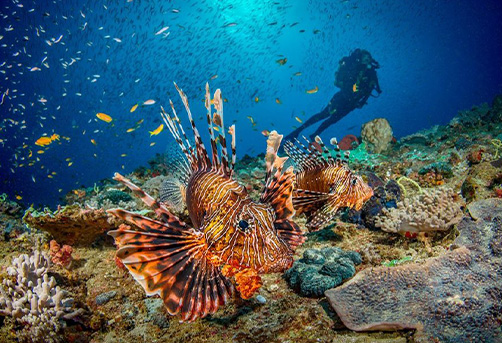
- Species identification: Learn to identify species of sharks, rays, turtles, marine mammals, fish, and invertebrates
- Habitat health assessment: tracking water quality, live coral cover, sand stabilization
- Camera System Deployment: assist in deploying camera systems such as Baited Remote Underwater Video Systems (BRUVs) and Remote Underwater Still Cameras
- Video and Photo Coding: Watching collected data for the presence of sharks and rays
Research Areas:
- Describe the general principles which govern marine ecosystem interactions
- Document the spatial and temporal movements of sharks, rays and other endangered species in the marine park
- Explain animal behavior and how it relates to physiological requirements, consumption, predation, and reproduction
- Assess the impact of shore-based fishing on sharks and rays
- Human dimension methods to improve education and outreach to the local Zulu community
What previous experience or skills do I need?
Interns need to show enthusiasm, positivity, maturity, and independence, adaptability, and willingness to work in a team
Where will I be?
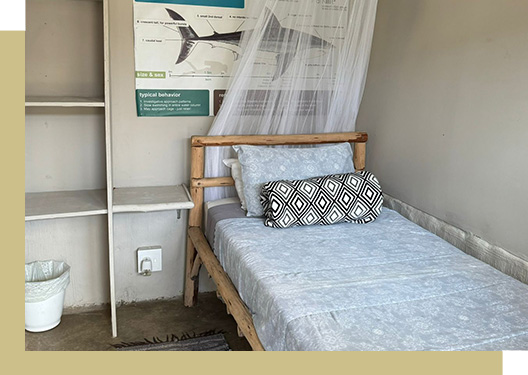
How does housing and food work?
What’s included?
Transfer to the project from the local airport, meals at the project, housing, local experts talking with the groups, all of the research, educational, and cultural activities. Five dives a week are included, weather permitting, and all entry fees into the park, tanks, scuba gear, and boat time. Pre-departure support, a Field Study Abroad t-shirt, and logistic support at the Johannesburg airport for your arrival and departure.
Not included: International flight, insurance if your university does not provide it, and any additional scuba certification you might require.
How to Finance your internship
Pricing starts at $3,135
Most universities have a wide range of scholarships for study abroad. You can check with your university to see which scholarships they offer. You should visit your study abroad/global engagement office and your department. Your department may have travel funds available to assist with airfare or other program-related expenses.
This does not include transfer from the arrival airport +-$140 Add in: Arrival Airport: Richards Bay (Airport code RCB)
Our Volunteers Love Us